
Namaste, lovely ladies of Reyshaa family! We all cherish our beautiful ethnic suits, especially those precious heirloom pieces or delicately embroidered ensembles that hold so much sentimental value. Whether it's the intricate Zari work on a festive suit or the soft flow of a Chanderi fabric, these garments deserve the best care to ensure their beauty lasts for generations. At Reyshaa, we understand this bond, and today, we're sharing our advanced secrets to help you preserve your beloved traditional wear with love and expertise.
Think of it as giving your beautiful outfits the luxurious spa treatment they deserve before a long, peaceful rest. Proper storage isn't just about tidiness; it's about safeguarding memories, preserving craftsmanship, and ensuring your treasured pieces remain as vibrant and stunning as the day you first fell in love with them.
Pre-Storage Preparation: Cleanliness is Key
Before you even think about putting your ethnic suit away, remember this golden rule: always store clean garments. Even invisible perspiration, body oils, or tiny food particles can attract pests or lead to permanent stains and fabric degradation over time. Never store a worn garment directly.
- Professional Dry Cleaning: For heavily embroidered suits, delicate fabrics like silk, georgette, or those with intricate work, professional dry cleaning is often the safest bet. Ensure the dry cleaner has experience with ethnic wear and delicate embellishments.
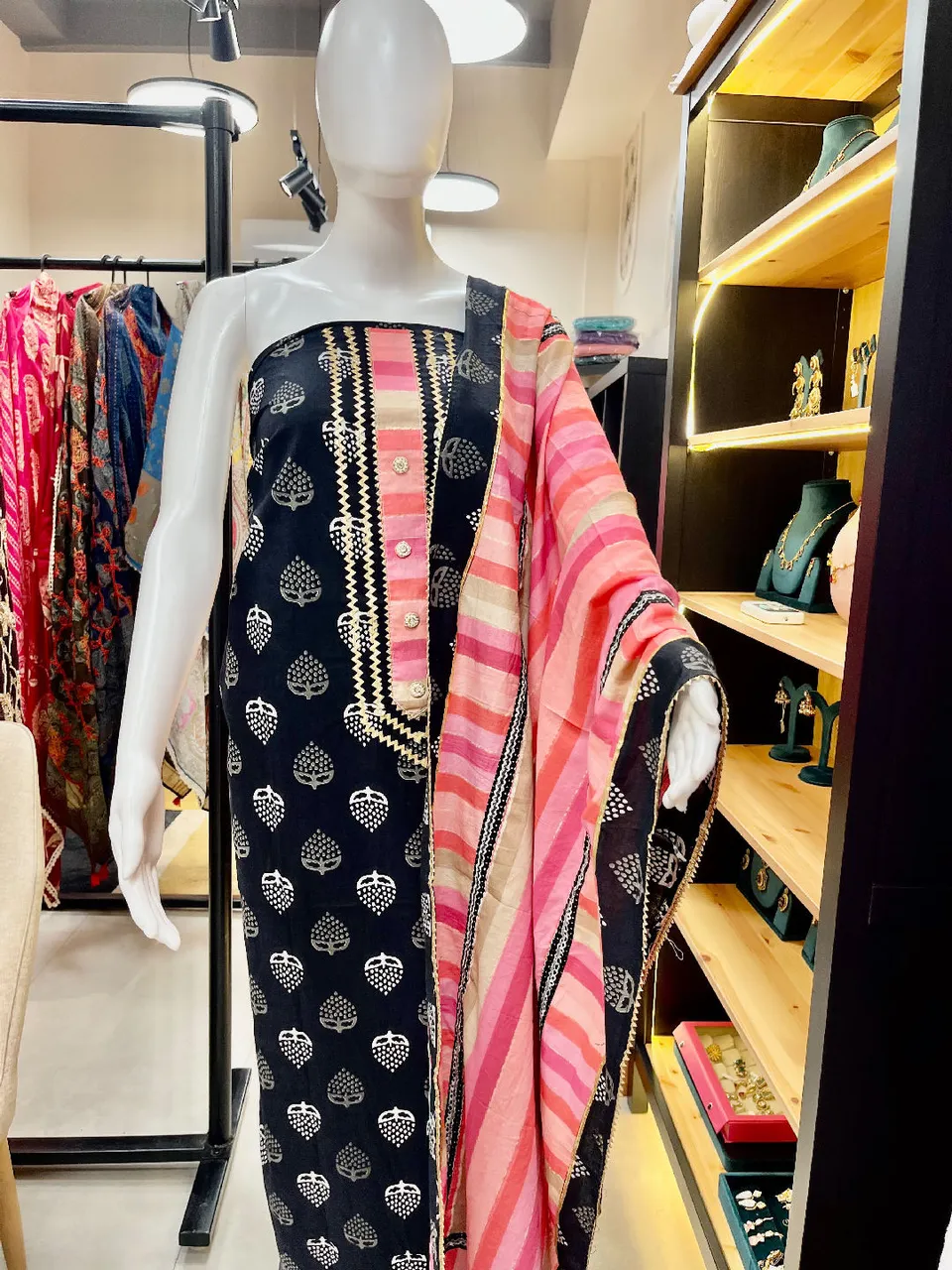
- Gentle Hand Wash (if suitable): For simpler cottons or materials that allow it, a gentle hand wash with a mild, pH-neutral detergent can work. Always check the fabric care label. For instance, a lovely printed cotton dress material like Black Cotton Printed Unstitched Dress Material (D471) might be suitable for a gentle wash, but always confirm!
- Thorough Drying: Ensure your garment is completely dry before storage. Even a hint of moisture can lead to mildew, unpleasant odours, and fabric damage. Air dry in a shaded, well-ventilated area, away from direct sunlight which can fade colours.
The Right Environment: Your Suit's Sanctuary
Where you store your precious suits is just as important as how you store them. Think of it as creating a mini-sanctuary for your treasured pieces.
- Cool, Dry, and Dark: The ideal storage environment is cool (room temperature is fine), dry, and dark. Humidity is the arch-nemesis of delicate fabrics, leading to mildew, mould, and weakening of fibres. Excessive heat can also damage fabrics and embellishments. Darkness prevents colour fading from UV exposure.
- Avoid Basements and Attics: These areas often have fluctuating temperatures, high humidity, and are prone to pests, making them unsuitable for long-term storage of valuable ethnic wear.
- Pest Control: Keep your storage area clean and periodically check for signs of pests like silverfish, moths, or cockroaches. Natural repellents like dried neem leaves, cedar balls (not directly touching fabric), or sachets of lavender can be effective. Avoid naphthalene balls as their strong chemicals can damage delicate fabrics and leave a persistent odour.
Mastering the Wrap: Protecting Delicates & Embellishments
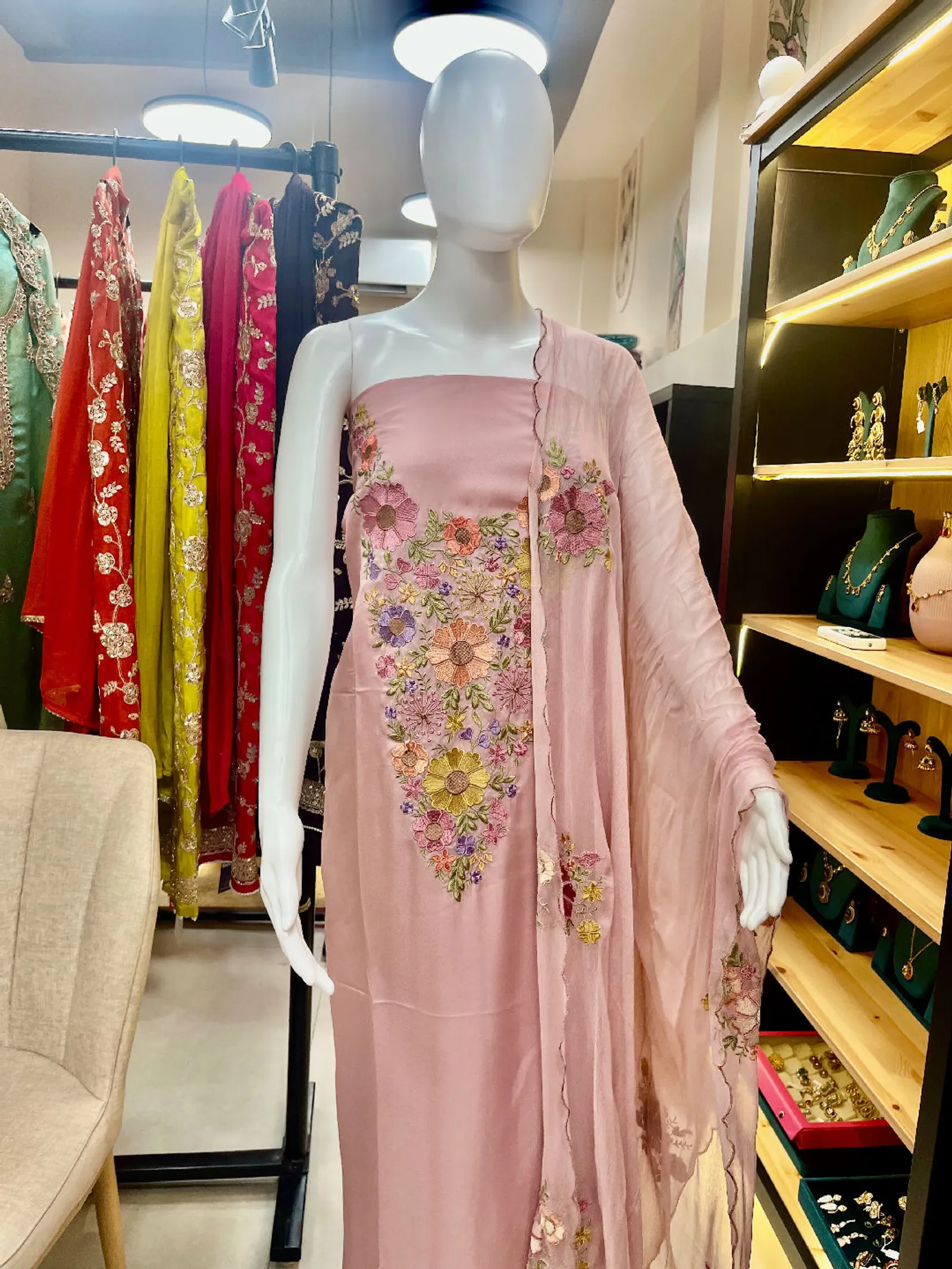
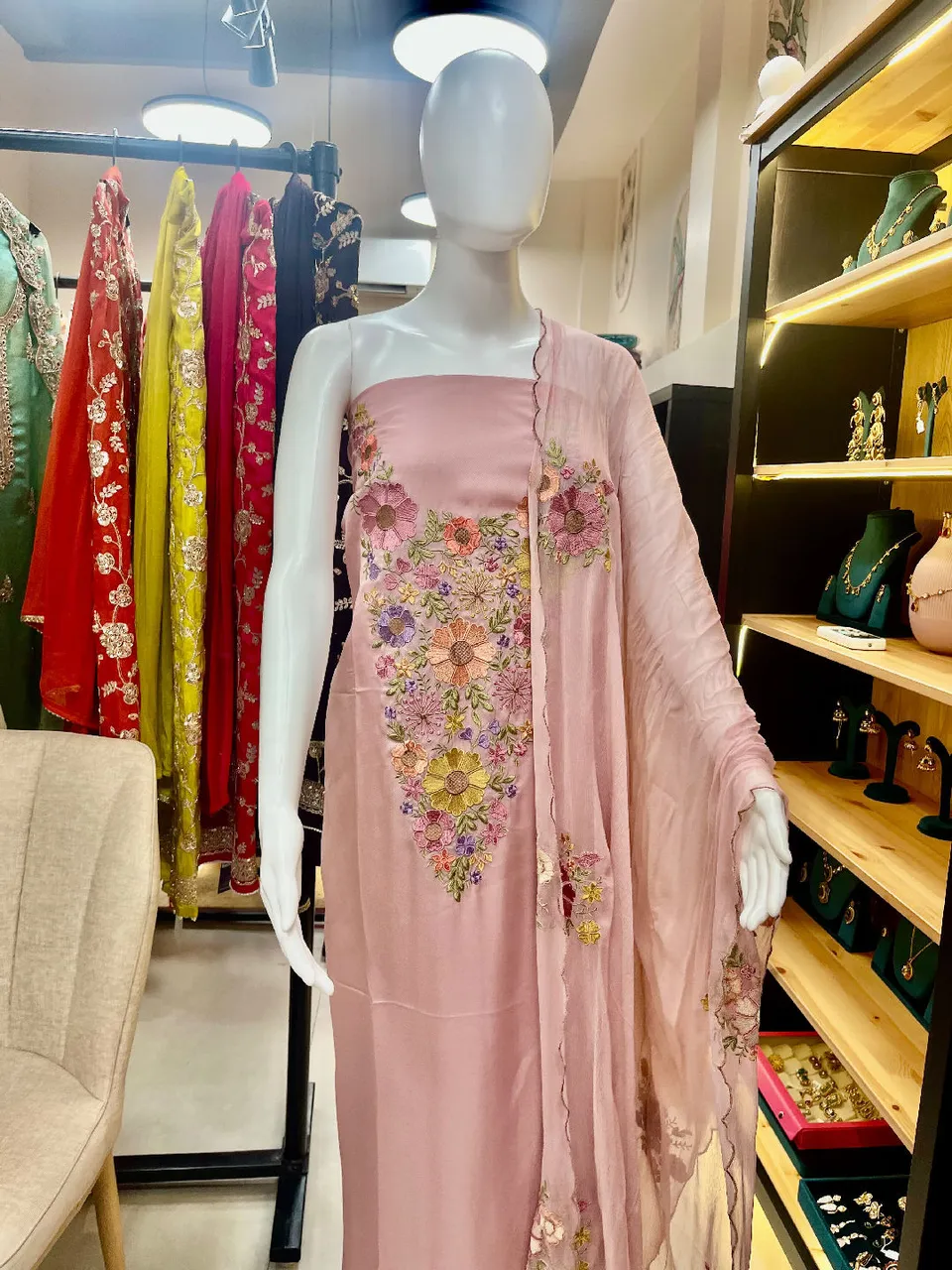
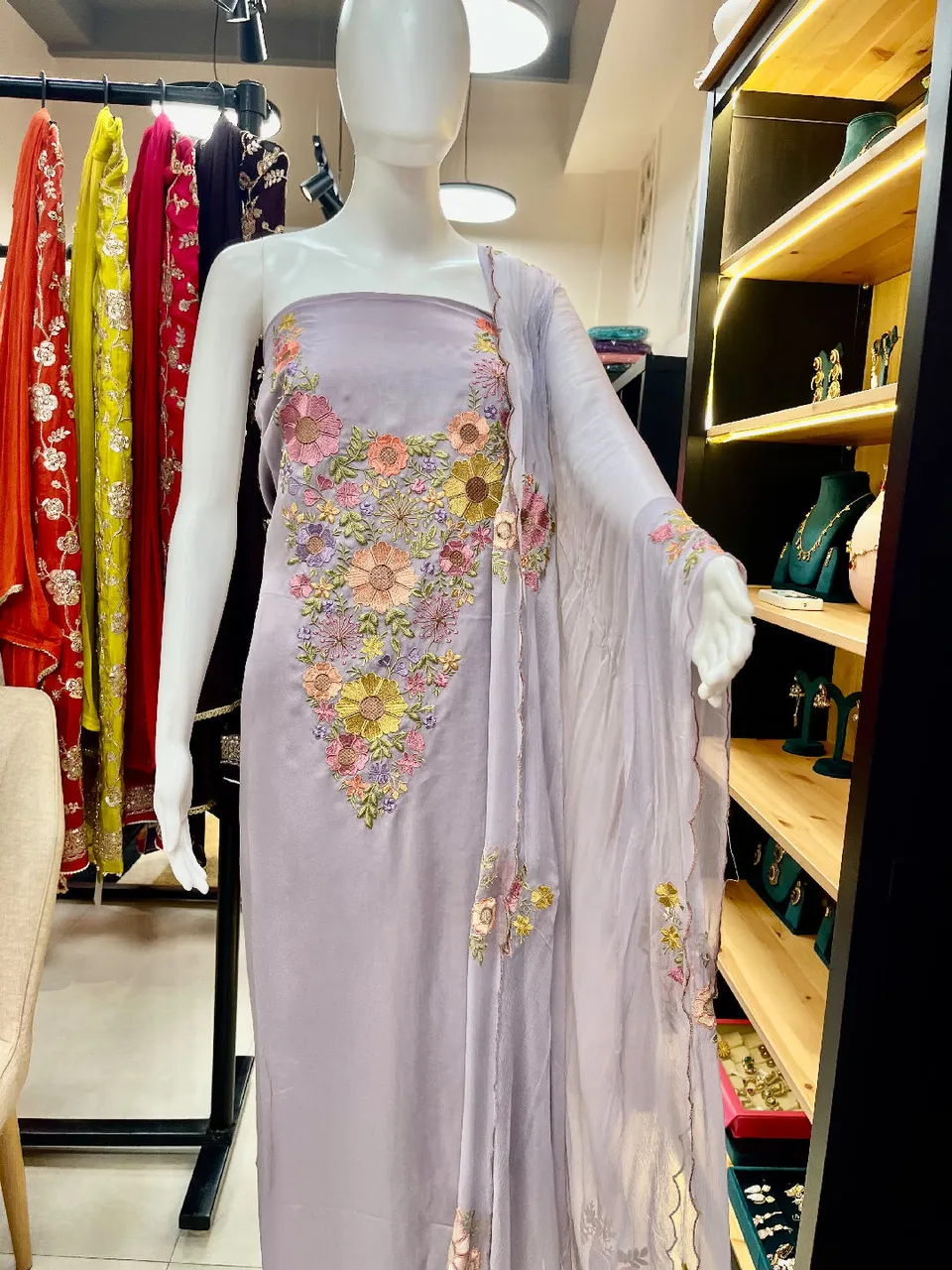
This is where the 'advanced' really comes in! How you physically prepare and wrap your suit makes a huge difference, especially for those with intricate details or delicate fabrics like the beautiful embroidery seen in our Dusty Pink Embroidered Dress Material (D461) Dusty Pink or Lavender Embroidered Dress Material (D461) Lavender Dress Materials.
- Acid-Free Tissue Paper: This is your best friend. Use unbuffered, acid-free tissue paper to interleave between folds, especially over embroidery, embellishments, and zari work. This prevents the fabric from creasing permanently, protects delicate threads from snagging, and absorbs any residual moisture or acidity.
- Muslin Cloth or Cotton Sheets: After interleaving with tissue, wrap your entire suit in a clean, soft, breathable cotton sheet or muslin cloth. This provides an additional protective layer, shielding it from dust, light, and humidity fluctuations. Avoid synthetic wraps that can trap moisture.
- Careful Folding: Avoid sharp creases, especially on heavily embroidered areas. Fold along existing seams where possible. For very heavy or stiff suits, try rolling them gently with tissue paper inside, rather than sharp folding, to prevent stress on the fabric and embellishments.
- Protecting Specific Embellishments: For outfits with heavy beadwork, sequins, or mirrors, turn them inside out before folding. This protects the embellishments from snagging or getting crushed. For items like our Multi-color Printed Embroidered Unstitched Dress Material (D481) Multi-color Printed Embroidered Dress Material, ensure the embroidered parts are well-cushioned.
Smart Storage Solutions: Beyond the Hanger
Once your suit is meticulously cleaned and wrapped, it's time to choose the right container for its long rest.
- Acid-Free Storage Boxes: The best option for long-term storage is an acid-free archival storage box. These boxes are designed to be chemically inert, preventing any transfer of harmful acids to your garments. They also offer protection from dust, light, and pests.
- Breathable Garment Bags: For suits that you wear more frequently or prefer to hang, use breathable cotton or muslin garment bags. Crucially, avoid plastic dry-cleaning bags for long-term storage. Plastic traps moisture, prevents air circulation, and can emit chemicals that damage fabrics over time.
- Flat Storage for Heavy Suits: For very heavy suits, especially those with extensive embellishments or delicate fabrics like our Aqua Blue Embroidered Unstitched Dress Material (D461) Aqua Blue Embroidered Unstitched Dress Material, flat storage is always preferred over hanging. Hanging heavy garments for extended periods can distort their shape, stretch the shoulders, or strain the fabric due to the weight. If hanging, use padded hangers to distribute weight evenly.
- No Overcrowding: Give your suits space! Overcrowding can lead to crushing, creasing, and restrict air circulation, which can be detrimental to fabric health.
Periodic Pampering: Long-Term Vigilance
Your long-term storage plan isn't a 'set it and forget it' situation. Regular checks are vital to ensure your precious pieces remain in pristine condition.
- Regular Airing: Every 4-6 months, gently take out your stored suits, unfold them, and air them out in a clean, shaded, well-ventilated area for a few hours. This helps refresh the fabric, removes any trapped odours, and allows you to inspect them.
- Inspect for Pests and Damage: During airing, carefully check for any signs of pest activity (tiny holes, droppings), discolouration, or fabric degradation. Early detection can prevent extensive damage. Re-fold with fresh acid-free tissue if needed.
- Rotate Folds: If storing flat, periodically refold your suits in slightly different positions to prevent permanent creasing along the same lines, especially for items like our lovely Multi-Color Embroidered Printed Dress Material (D481) Multi-Color Embroidered Printed Dress Material which has both print and delicate embroidery.
By following these advanced storage tips, you're not just preserving clothes; you're safeguarding art, tradition, and memories. Your heirloom and delicate ethnic suits will remain a source of joy and beauty for many years to come, ready to be cherished and passed down through generations. Happy preserving!
Care tip
Always store your precious ethnic wear completely dry and clean. Even minor unseen stains can attract pests or cause permanent damage over time. A little care before storage ensures lasting beauty!
FAQs
Can I store my heavy ethnic suits in plastic dry-cleaning covers for a long time?
Absolutely not! While convenient for a short trip from the dry cleaner, plastic dry-cleaning bags are detrimental for long-term storage. They trap moisture, prevent air circulation, and can emit chemicals that yellow or weaken delicate fabrics over time. Always transfer your suits to breathable cotton or muslin garment bags, or ideally, acid-free storage boxes, for proper preservation.
How often should I take out and air my stored heirloom suits?
It's a good practice to take out your stored suits every 4-6 months. Gently unfold them, air them out in a clean, shaded, well-ventilated space for a few hours. This helps to refresh the fabric, prevent musty odours, and allows you to inspect for any potential pest activity or damage. Remember to refold them carefully, using fresh acid-free tissue paper if needed.
My suit has heavy embroidery. Is it better to hang it or fold it for storage?
For heavily embroidered suits, especially those with significant weight from embellishments (like the intricate work on our Multi-Color Printed Embroidered Dress Material (D481) Multi-Color Printed Embroidered Dress Material), flat storage is almost always preferred. Hanging them for long periods can cause the weight to pull and stretch the fabric, leading to distortion in the shoulders or stress on the seams and embroidery. If you must hang, use a very sturdy, padded hanger to distribute the weight evenly, and ensure the garment bag is breathable.
Shop the look
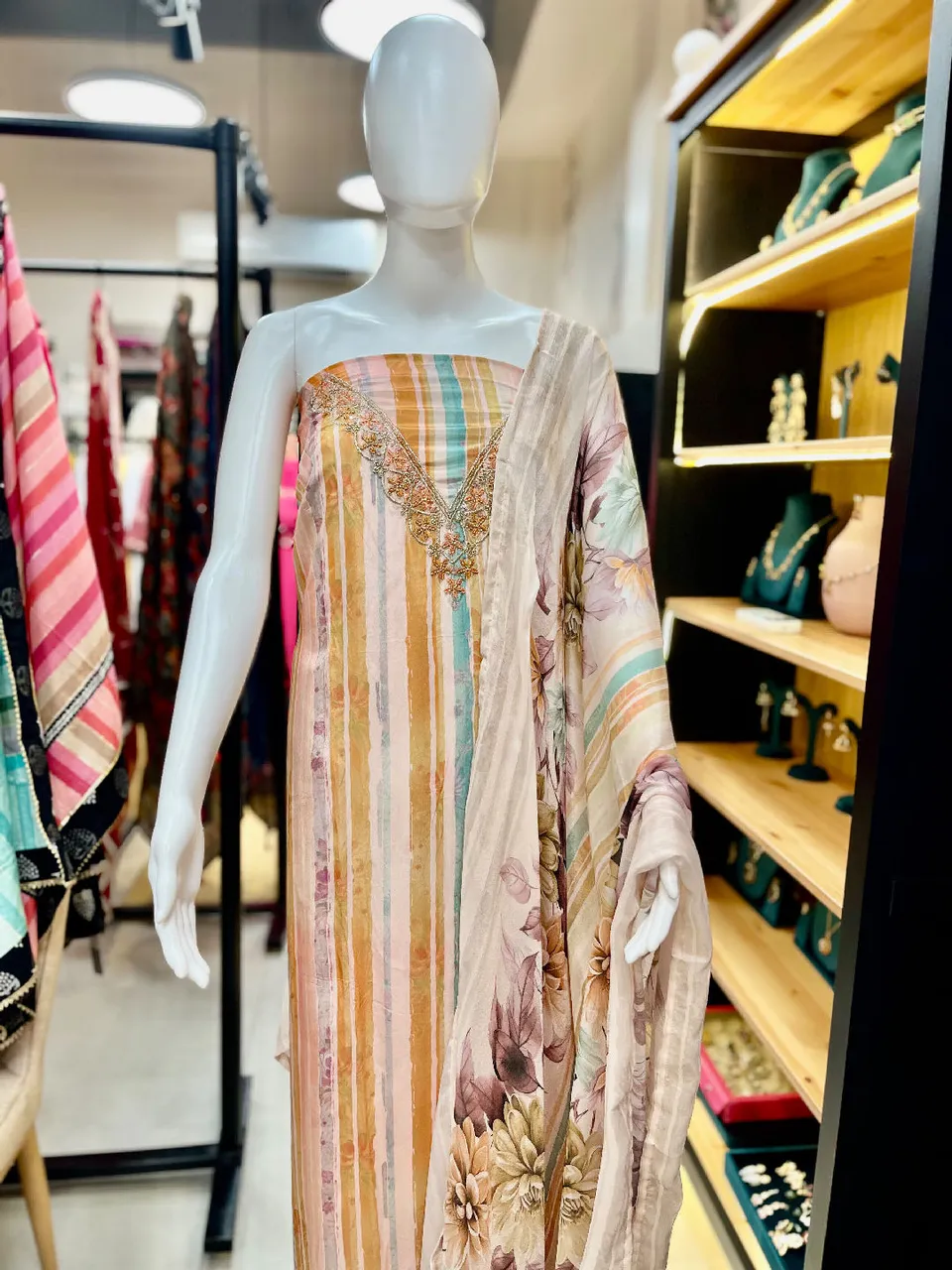
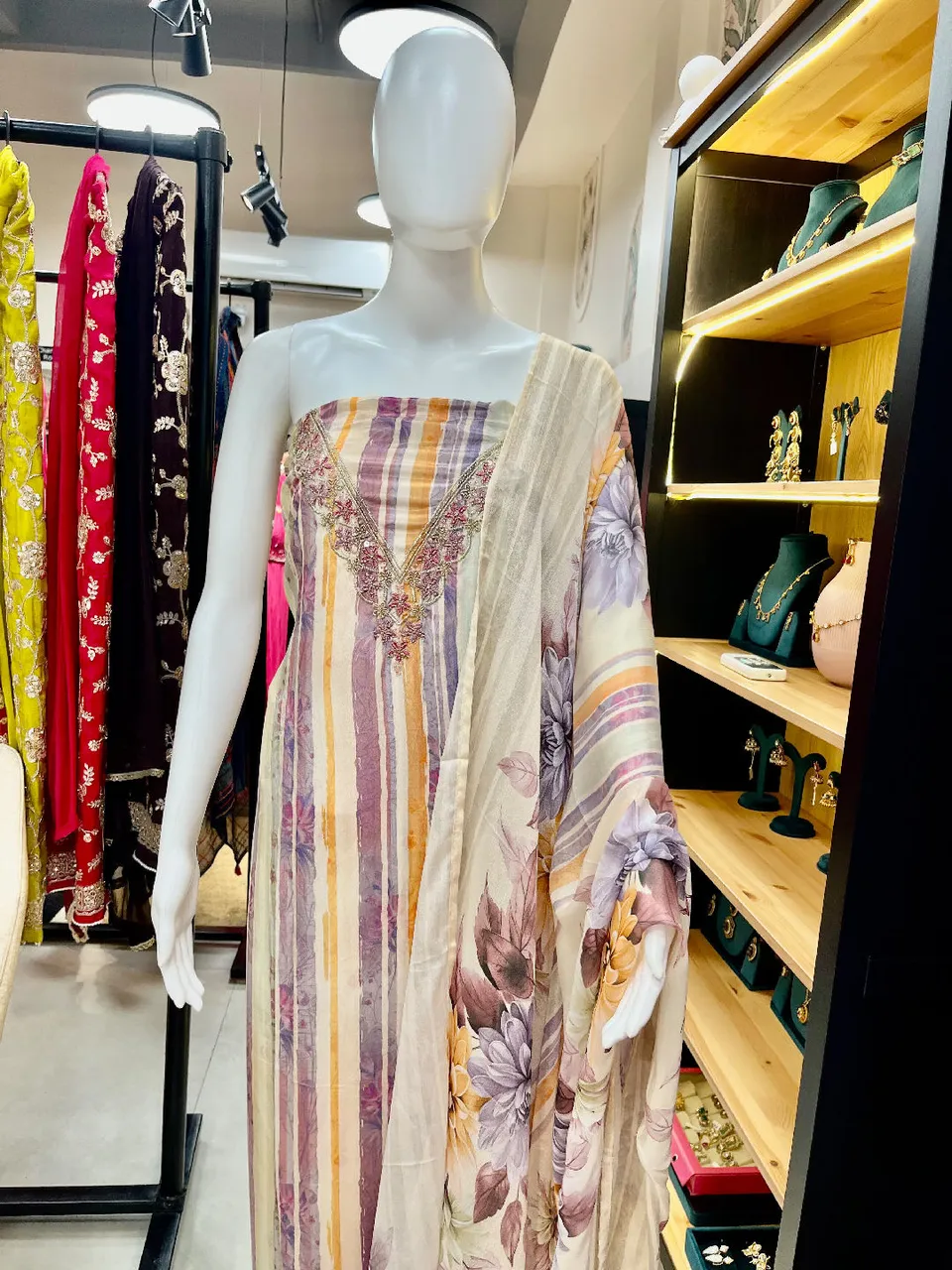
Explore more dress materials, readymade suits and jewellery at Reyshaa — handpicked in Nagpur, delivered across India.
