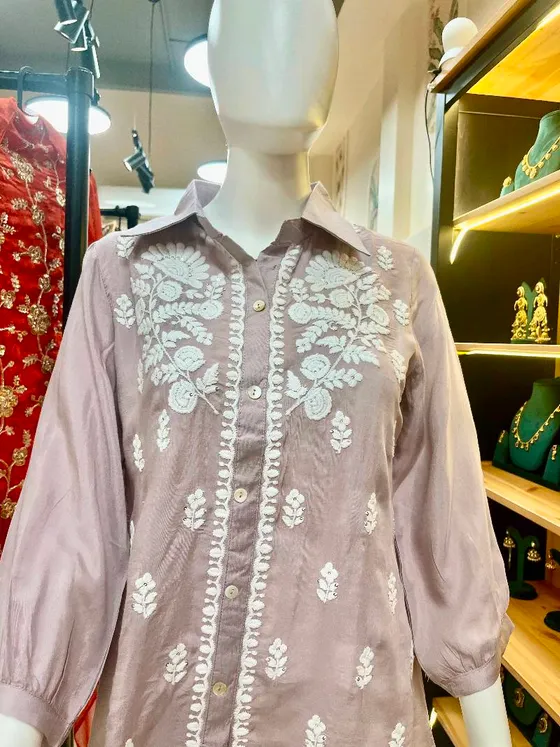
Namaste, dear patrons of Reyshaa! We know how much you cherish the intricate beauty of Indian ethnic wear, especially those adorned with dazzling zari and metallic thread embellishments. The shimmer of zari adds a regal touch, transforming a simple fabric into a masterpiece. Whether it's the rich embroidery on an Off White Embroidered Dress Material like Off White Embroidered Dress Material (D454) or the subtle gleam on other designs, these metallic threads require special attention to maintain their lustre and longevity.
At Reyshaa, we believe in helping you preserve the elegance of your favourite pieces. This guide shares advanced care tips to ensure your zari and metallic thread work remains as brilliant as the day you first wore it. Let's dive into keeping your cherished garments sparkling for years to come!
Understanding Zari and Metallic Threads
Before we delve into care, it’s helpful to understand what we're working with. Traditionally, zari was made from real gold or silver threads, intricately woven into fabrics. Today, while pure zari still exists, most metallic threads are crafted from synthetic fibres coated with metallic finishes, offering a similar opulent look with greater affordability and often, durability. Both types, however, are delicate and susceptible to tarnishing, snagging, and damage from harsh chemicals.
Knowing the composition of your garment's embellishments can guide your cleaning choices. Always check the care label first, as it provides the manufacturer's specific recommendations.
Gentle Cleaning Techniques for Zari Work
Cleaning zari and metallic thread embellished garments requires a gentle touch. Here’s how you can approach it:
- Professional Dry Cleaning is Preferred: For heavily embroidered pieces, especially those with delicate zari work like our Off-White Embroidered Dress Material Off-White Embroidered Dress Material (D452), professional dry cleaning is often the safest bet. Choose a reputable cleaner experienced with ethnic wear and inform them about the metallic embellishments.
- Spot Cleaning for Minor Stains: For small, isolated stains, gently spot clean using a mild, pH-neutral detergent diluted in cold water. Apply with a soft cloth or cotton swab, blotting carefully. Avoid rubbing, as this can damage the threads or loosen the embroidery.
- Hand Washing (Use Extreme Caution): If a garment can be hand-washed (check the label!), use cold water and a very mild liquid detergent. Submerge the garment briefly, swishing gently. Do NOT wring, twist, or scrub. Rinse thoroughly with cold water. Lay flat on a clean towel to absorb excess water, then air dry away from direct sunlight.
- Avoid Harsh Chemicals: Bleaches, strong detergents, and optical brighteners can discolour or corrode metallic threads. Stick to mild, gentle cleaners specifically designed for delicate fabrics.
Smart Storage Solutions for Lasting Shine
Proper storage is crucial for preventing tarnish and preserving the integrity of zari and metallic threads. Air and moisture are the biggest enemies!
- Wrap in Breathable Fabric: Once clean and completely dry, wrap your zari garments in soft, acid-free tissue paper or a clean, white muslin cloth. This protects them from dust and prevents direct contact with air, which can cause tarnishing. Avoid plastic bags, which can trap moisture and lead to discolouration.
- Store Flat or Padded Hangers: For heavy garments, storing them folded flat in a drawer or box is best to prevent stress on the embroidery from hanging. If hanging, use a padded hanger to avoid creases and distortion.
- Cool, Dry Place: Store your ethnic wear in a cool, dry place away from direct sunlight and humidity. High humidity can accelerate tarnishing and lead to mildew. Consider using silica gel packets (not directly touching the fabric) in storage boxes to absorb moisture.
- Separate from Other Jewellery: Ensure that your zari garments are stored away from metal jewellery or accessories that could snag or scratch the delicate threads.
Reviving Dull Zari and Troubleshooting
Even with the best care, sometimes zari can lose a bit of its sparkle. Here’s what you can do:
- Gentle Brushing: For light dust or minor dullness, use a very soft, clean brush (like a soft toothbrush or makeup brush) to gently brush along the direction of the threads. This can sometimes restore a bit of shine.
- Mild Solutions (with extreme caution): Some traditional remedies suggest using a paste of fuller's earth (Multani Mitti) or tamarind pulp. However, these are highly risky and can cause irreversible damage if not done correctly or if the threads are synthetic. We strongly advise against trying these without professional guidance.
- Professional Restoration: For significant tarnishing or damage, consult a textile restoration expert. They have specialized techniques and products to safely clean and restore metallic threads without harming the fabric.
- Handling Loose Threads: If you notice a loose metallic thread, do not pull it! Carefully snip it close to the fabric with sharp scissors or gently weave it back in if possible. For more complex repairs, seek professional help. Remember, even a simple Off-white Cotton Printed Dress Material like Cream Cotton Printed Unstitched Dress Material (D482) with delicate accents benefits from mindful handling.
Quick Dos and Don'ts for Zari Care
- DO check care labels carefully.
- DO prefer professional dry cleaning for intricate pieces.
- DO store in breathable, acid-free materials in a cool, dry place.
- DO spot clean gently for minor stains.
- DON'T wring, twist, or scrub zari-embroidered garments.
- DON'T use harsh chemicals, bleaches, or strong detergents.
- DON'T expose to direct sunlight for prolonged periods during drying or storage.
- DON'T iron directly over zari work (use a pressing cloth on the reverse, low heat).
Care tip
Always remember, patience and gentleness are key when caring for zari. Treat your embellished ethnic wear with the love it deserves, and it will continue to sparkle for years to come!
FAQs
Can I iron directly on zari or metallic thread work?
It's best to avoid ironing directly on zari or metallic thread work, as high heat can melt or damage the threads and dull their shine. If ironing is necessary, turn the garment inside out, place a clean cotton cloth over the embellished area, and iron on a low heat setting. Use quick, light strokes rather than pressing down firmly.
How often should I clean my zari-embroidered garments?
Only clean zari-embroidered garments when absolutely necessary. Frequent cleaning, especially with water, can hasten tarnishing and weaken the threads. If it's not visibly dirty or stained, simply air it out after wearing and store it properly. For items worn occasionally, a gentle airing and correct storage can keep them fresh for a long time.
Why does zari sometimes tarnish or turn black?
Zari, especially older or pure metallic threads, can tarnish or discolour due to oxidation when exposed to air, moisture, and pollutants. Sweat, perfumes, and body oils can also accelerate this process. This is why proper storage in a cool, dry, and airtight (within breathable fabric) environment is so crucial to minimize exposure and preserve its original sheen.
Shop the look


Explore more dress materials, readymade suits and jewellery at Reyshaa — handpicked in Nagpur, delivered across India.