Namaste, beautiful people! Here at Reyshaa, we believe that every stitch tells a story, and every colour sings a song. India's textile heritage is a vibrant tapestry, woven with threads of tradition, artistry, and an incredible mastery of colour. Today, we're taking you on a fascinating journey into the heart of this artistry: the world of traditional Indian dyeing techniques.
From the bustling streets of Rajasthan to the quiet villages of Gujarat, master artisans have perfected methods passed down through generations, transforming simple fabrics into breathtaking works of art. These techniques don't just add colour; they imbue each piece with character, history, and soul. Let's explore some of these timeless crafts that bring so much beauty to our beloved ethnic wear.
The Magic of Bandhani: Tiny Knots, Big Impact
When you think of traditional Indian dyeing, Bandhani often comes to mind – and for good reason! This ancient tie-dye technique, originating predominantly from Gujarat and Rajasthan, is truly magical. The word "Bandhani" comes from the Sanskrit word 'bandh', meaning 'to tie'.
The process involves skilled artisans meticulously tying small sections of fabric with thread to create intricate patterns. These tied sections resist the dye, resulting in a beautiful array of dots, squares, waves, and other motifs once the fabric is dyed and the knots are untied. Each tiny knot is a testament to the artisan's patience and precision.
Bandhani fabrics are known for their vibrant colours and unique textures, making them incredibly popular for sarees, dupattas, and suits. Imagine the joy of wearing a piece where every dot tells a tale of tradition!
Leheriya's Waves: Capturing the Desert Wind
If Bandhani creates a symphony of dots, Leheriya paints a picture of flowing waves. This captivating tie-dye technique, also hailing from Rajasthan, is famous for its distinctive diagonal or zigzag patterns that resemble the ripples of water or the shifting sands of the desert.
The unique effect is achieved by rolling the fabric diagonally and then tying it tightly at regular intervals before dyeing. When the fabric is unfurled, it reveals stunning, multi-directional striped patterns. Leheriya is particularly cherished for its lightweight feel and the way its patterns dance with movement, making it perfect for elegant suits and dupattas.
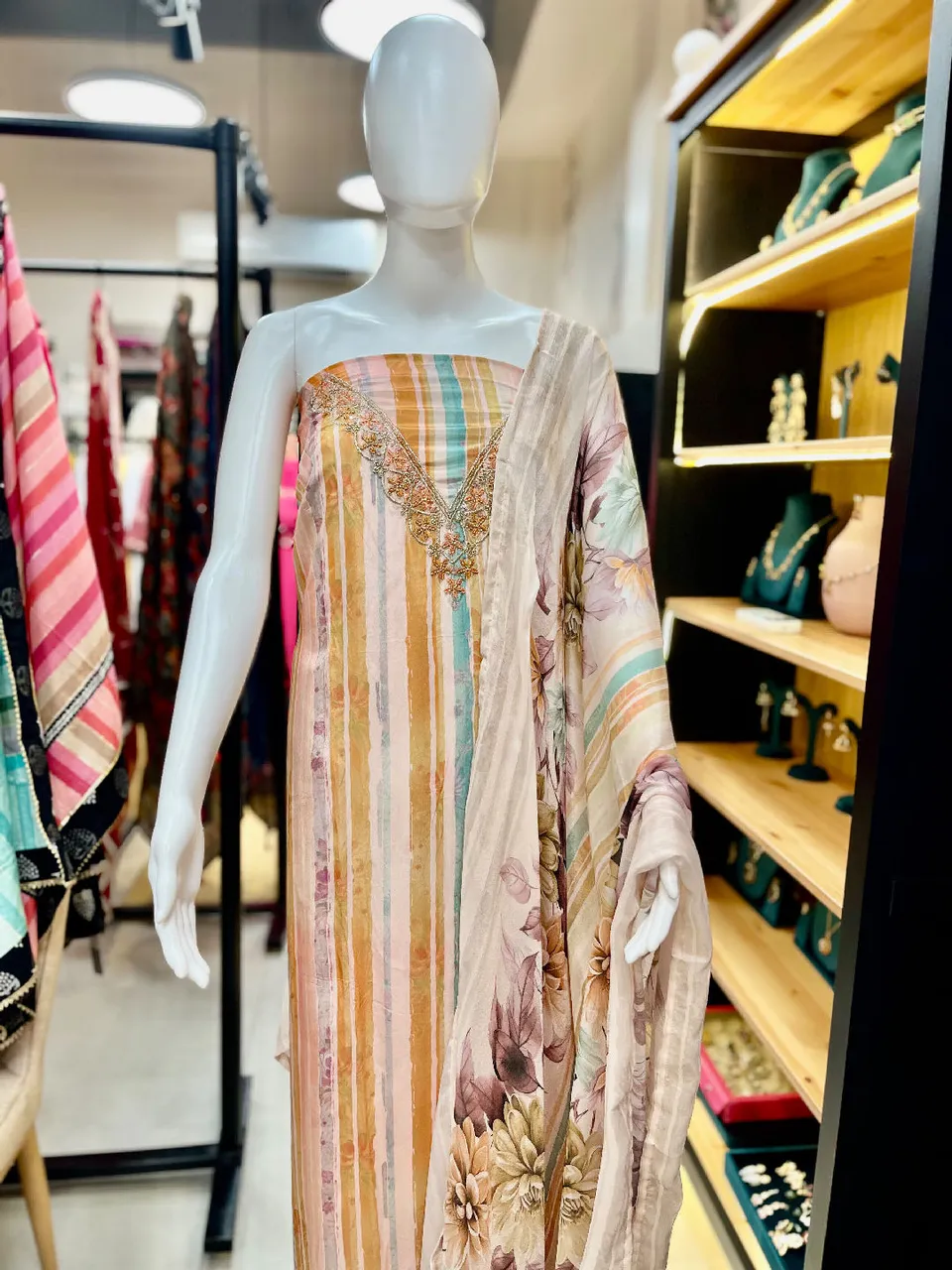
It's a beautiful way to bring the spirit of Rajasthan's vibrant culture into your wardrobe. The Multi-color Printed Embroidered Unstitched Dress Material (D481) Multi-color Printed Embroidered Unstitched Dress Material, while not a Leheriya, captures a similar playful spirit of varied patterns and colours, much like the intricate designs you'd find in traditionally dyed fabrics.
Beyond Tie-Dye: Block Printing's Artistic Touch
While tie-dye techniques like Bandhani and Leheriya charm us with their organic patterns, traditional Indian block printing offers another exquisite dimension to textile artistry. This ancient craft involves carving intricate designs onto wooden blocks, which are then dipped in natural dyes and meticulously pressed onto fabric, creating repetitive and stunning motifs.
From floral patterns to geometric designs, block printing allows for incredible detail and precision. Each print is a labour of love, showcasing the artisan's steady hand and artistic vision. It's a technique that adds a sophisticated charm to any ethnic ensemble.
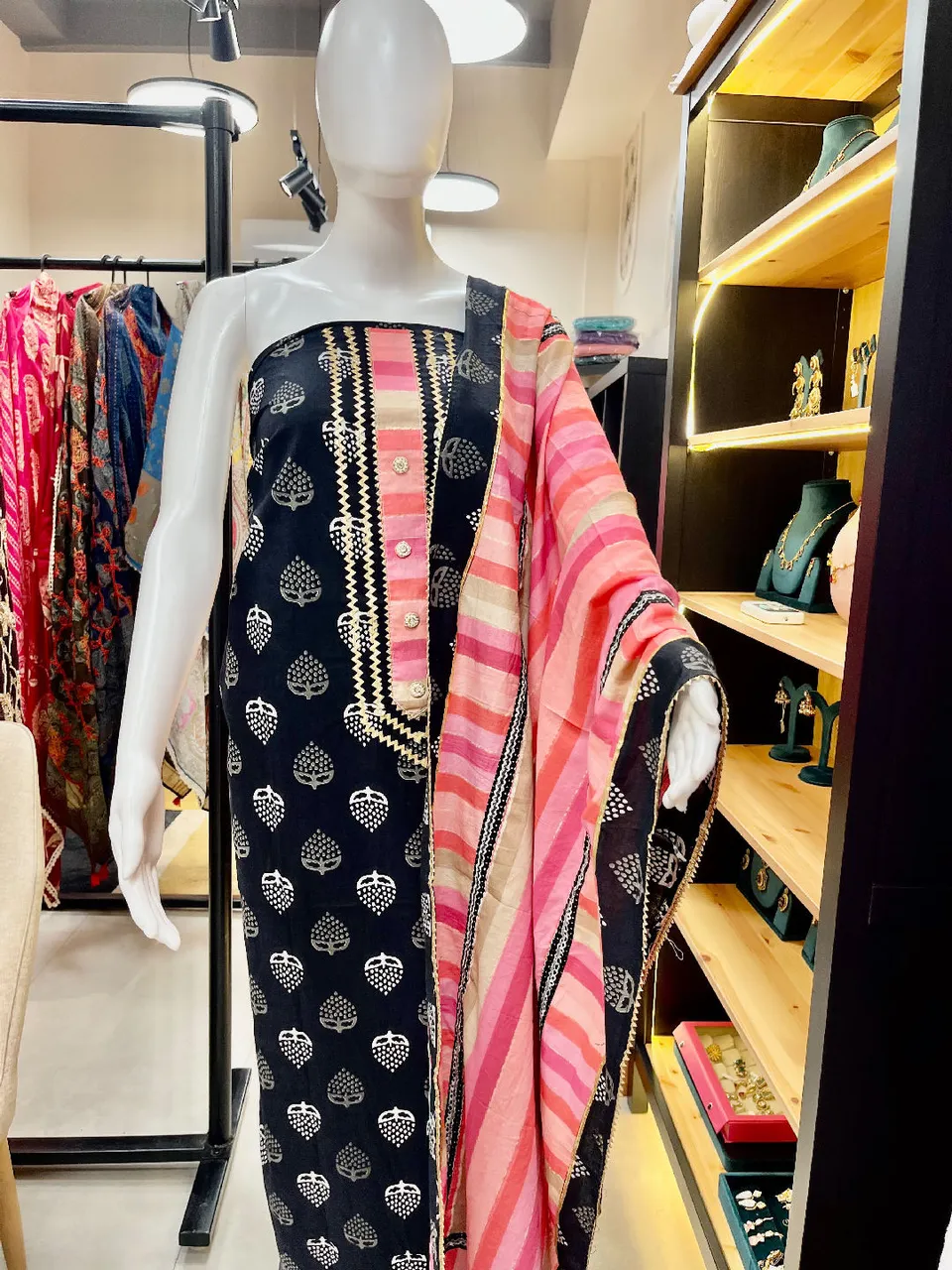
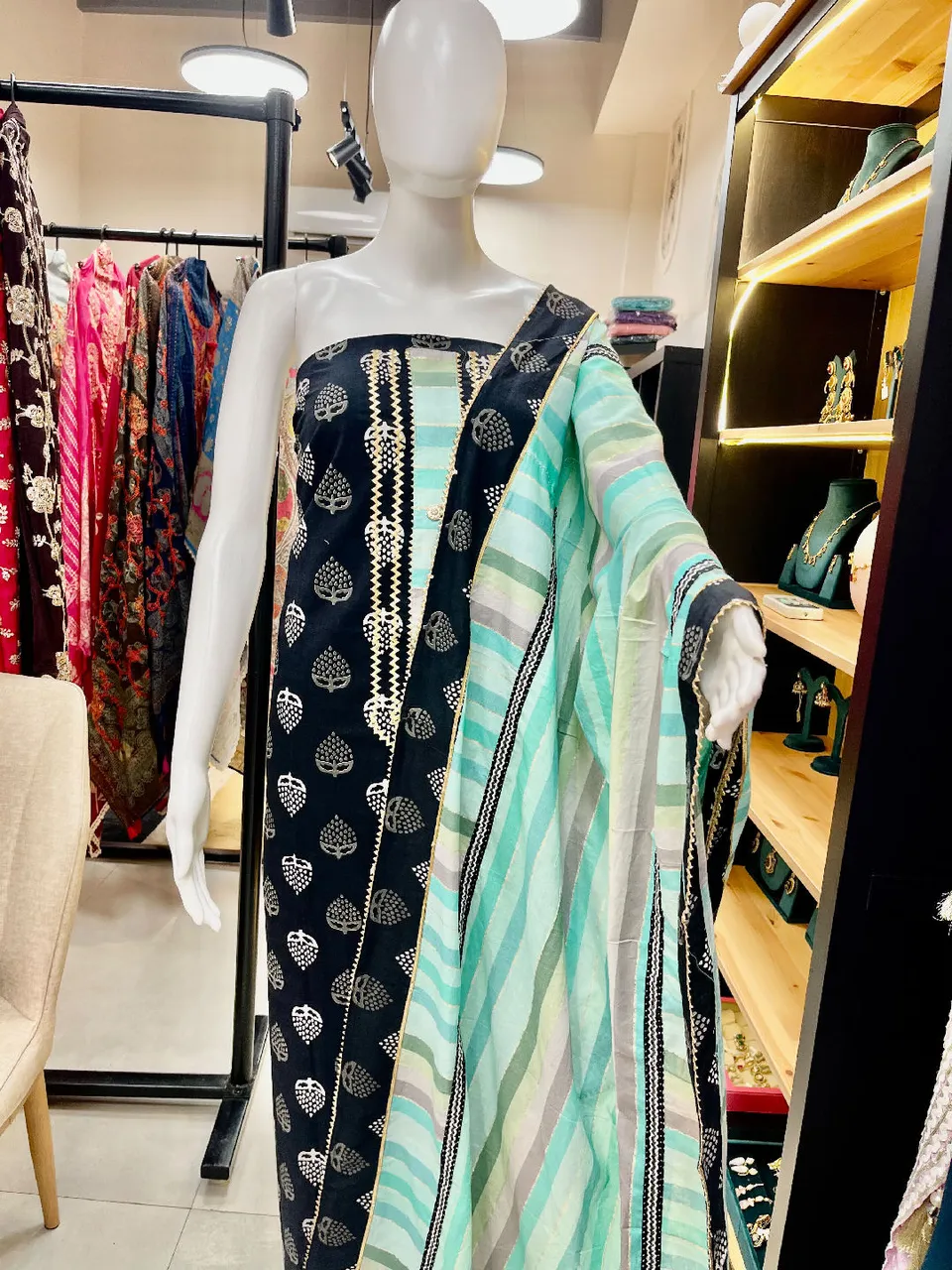
For instance, pieces like the Black Cotton Printed Unstitched Dress Material (D471) Black Cotton Printed Unstitched Dress Material or the Black Printed Unstitched Dress Material (D471) Black Printed Unstitched Dress Material beautifully showcase the elegance that intricate patterns, similar to those achieved through block printing, can bring to your wardrobe. The Multi-Color Embroidered Printed Dress Material (D481) Multi-Color Embroidered Printed Dress Material also exemplifies how various patterns and colours can combine to create a truly unique look, reminiscent of the rich diversity in Indian textile art.
The Beauty of Natural Dyes: A Connection to Earth
Many traditional Indian dyeing techniques, especially those from ancient times, relied heavily on natural dyes derived from plants, minerals, and even insects. Think of the deep blues of indigo, the rich reds from madder root, or the sunny yellows from turmeric!
These natural dyes not only offer a unique palette of earthy and vibrant colours but also often have a gentler impact on the environment. The beauty of natural dyes lies in their subtle variations and how they age gracefully, developing a unique character over time. While modern dyes offer consistency, the charm of traditionally dyed fabrics often comes from these organic imperfections and depths of colour.
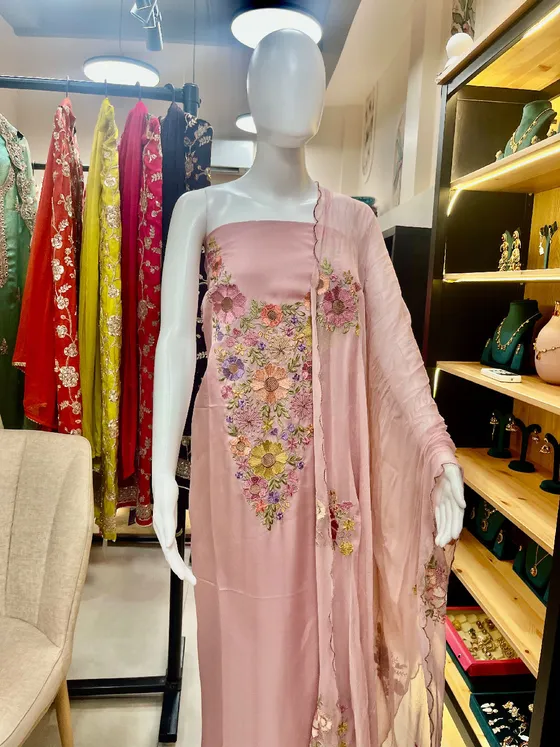
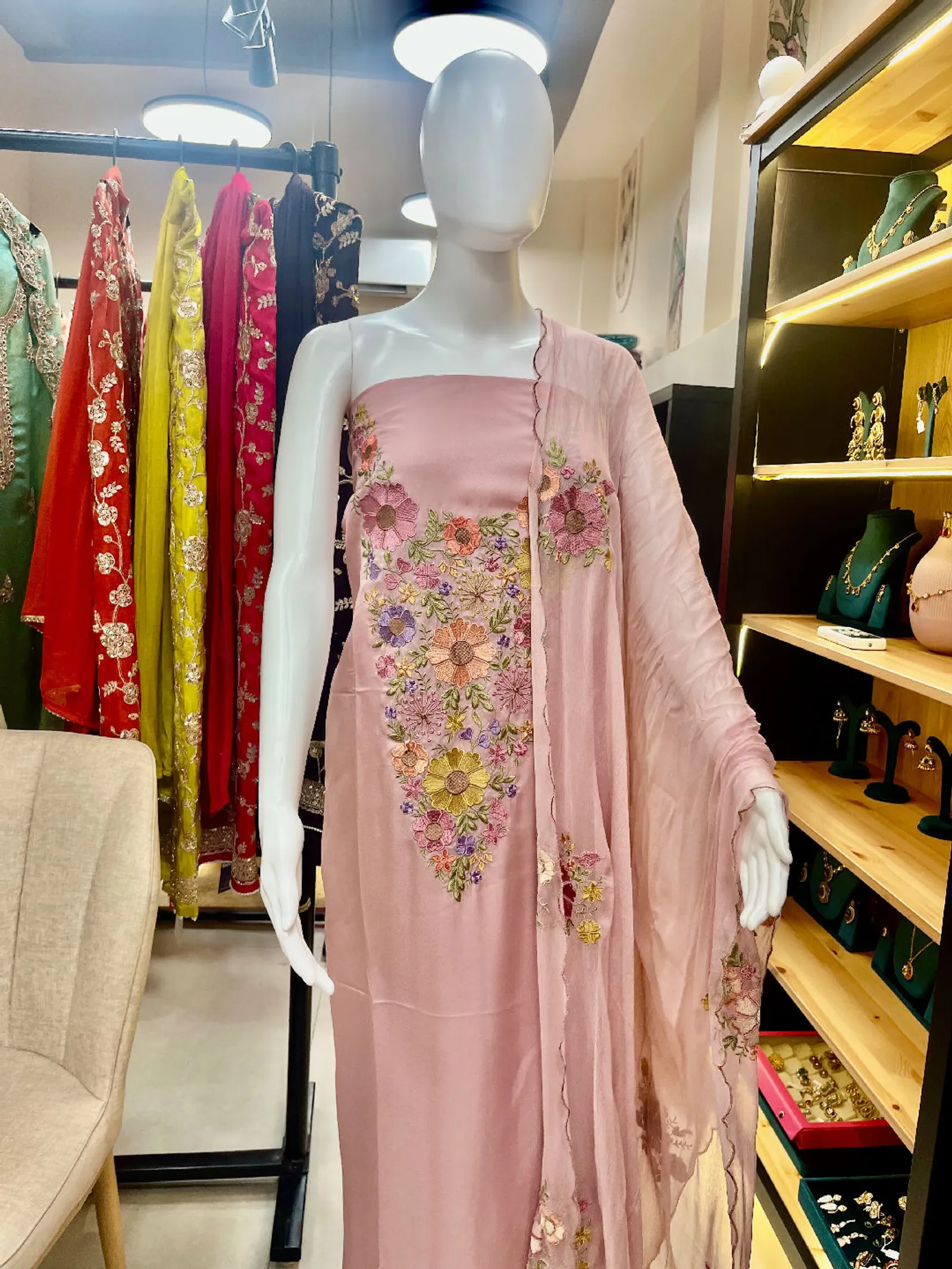
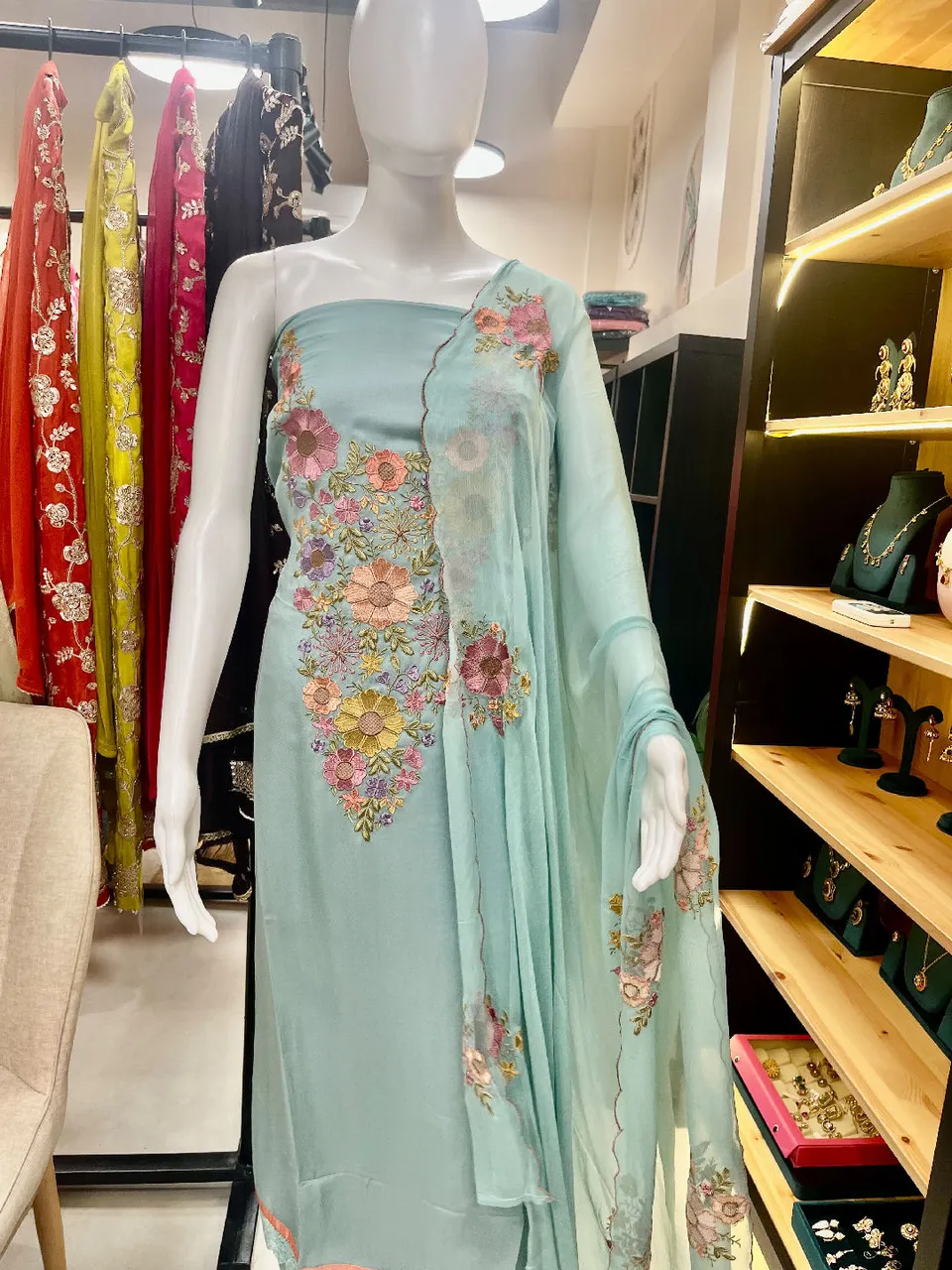
Choosing ethnic wear that celebrates these techniques means embracing a piece of sustainable art and a connection to nature's own hues. Consider the lovely hues found in the Dusty Pink Embroidered Dress Material (D461) Dusty Pink Embroidered Dress Material or the serene Aqua Blue Embroidered Unstitched Dress Material (D461) Aqua Blue Embroembroidered Unstitched Dress Material – colours that resonate with natural beauty.
Care tip
Reyshaa's Special Care Tip: For any traditionally dyed or printed ethnic wear, a quick trick to preserve the colours is to add a spoonful of salt to the first wash cycle. This can help set the dyes and prevent bleeding. Always remember, gentle care ensures your cherished ethnic wear remains vibrant for years to come!
FAQs
How do I care for traditionally dyed ethnic wear?
To preserve the beauty and vibrancy of your traditionally dyed garments, especially those with intricate work or natural dyes, it's best to:
- Gentle Hand Wash: Wash separately in cold water with a mild detergent.
- Avoid Harsh Chemicals: Steer clear of strong bleaches or harsh stain removers.
- Dry in Shade: Always dry inside out in the shade to prevent colour fading.
- Iron Carefully: Iron on a low to medium setting, preferably on the reverse side.
Always check the care label if available, but these general tips will help keep your pieces looking new.
Are Bandhani and Leheriya fabrics durable?
Yes, when cared for properly, Bandhani and Leheriya fabrics are quite durable. The dyeing process itself doesn't weaken the fabric. The longevity primarily depends on the quality of the base fabric (like cotton or silk) and the dyes used. With gentle handling and appropriate washing, these beautiful pieces can last for many years, retaining their charm and vibrancy.
What's the difference between Bandhani and Leheriya?
Both are traditional Indian tie-dye techniques, but they create distinct patterns:
- Bandhani: Involves tying tiny knots across the fabric to create a pattern of dots. It's known for intricate, often geometric or figurative, dot-based designs.
- Leheriya: Achieved by rolling and tying the fabric diagonally before dyeing, resulting in distinctive wave-like or striped patterns. The patterns are usually linear and flowing.
While both are exquisite, Bandhani is about dots and Leheriya is about waves!
Shop the look
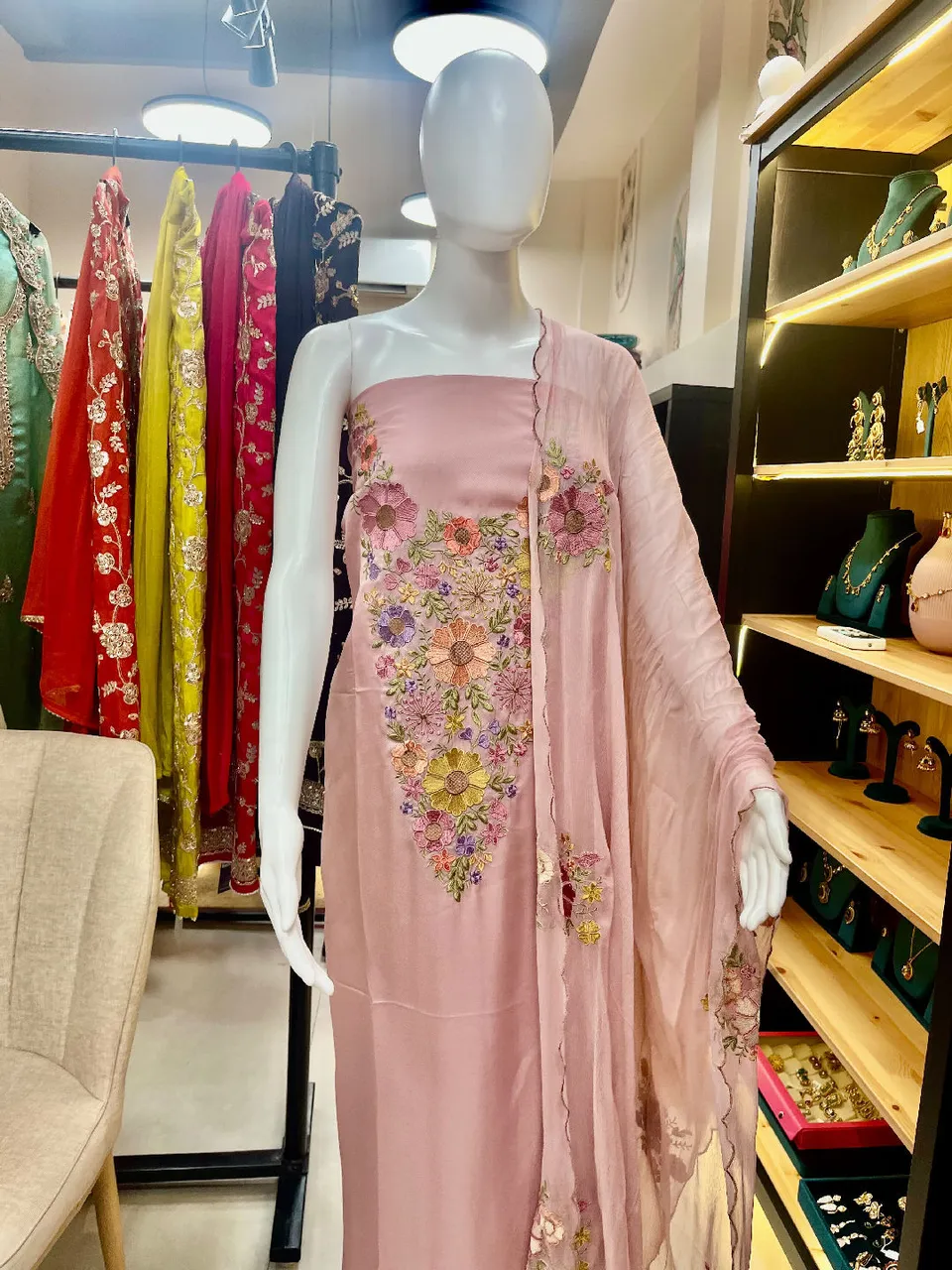
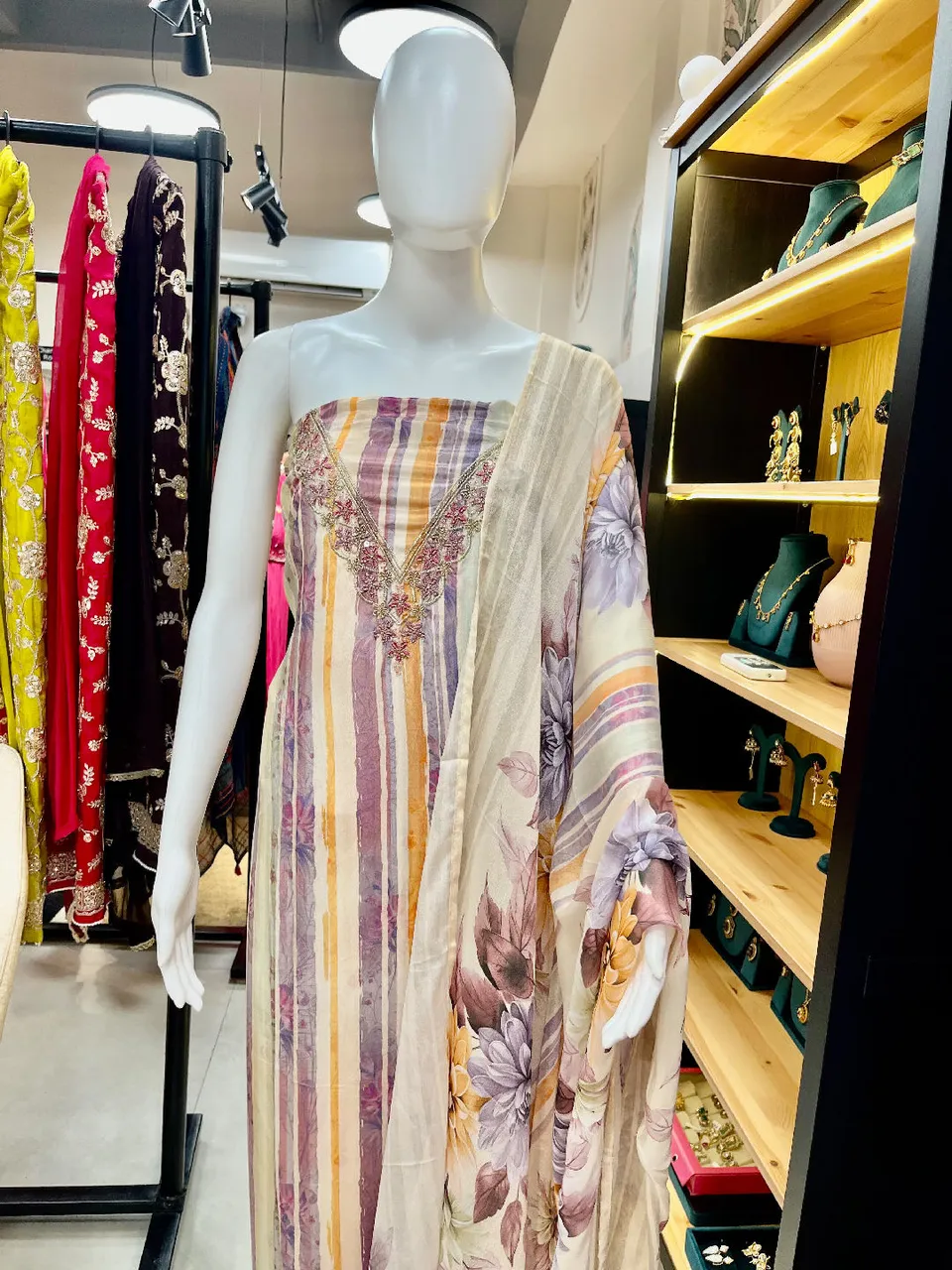
Explore more dress materials, readymade suits and jewellery at Reyshaa — handpicked in Nagpur, delivered across India.